Starting a gratitude journal is a wonderful way to enhance your well-being by focusing on the positive aspects of life. Whether you want to reduce stress, improve your mood, or simply develop a more thankful outlook, writing down what you appreciate can make a significant difference. This guide will help you get started with a gratitude journal in easy, manageable steps.
What Is a Gratitude Journal?
A gratitude journal is a personal diary where you regularly write about things you are thankful for. It encourages you to notice and reflect on the good moments, people, or experiences in your life. Unlike general journaling, gratitude journaling specifically focuses on positive aspects, which can help shift your mindset towards more optimism.
Benefits of Keeping a Gratitude Journal
Numerous studies and personal experiences show that gratitude journaling can:
– Improve mood and emotional well-being
– Increase resilience during tough times
– Enhance relationships by fostering appreciation
– Promote better sleep when done before bedtime
– Encourage mindfulness and present-moment awareness
Choosing Your Journal and Tools
You don’t need anything fancy to start. Choose whatever feels comfortable for you:
– Physical notebook: A simple lined or blank journal works well.
– Digital journal: Use apps or note-taking software if you prefer typing.
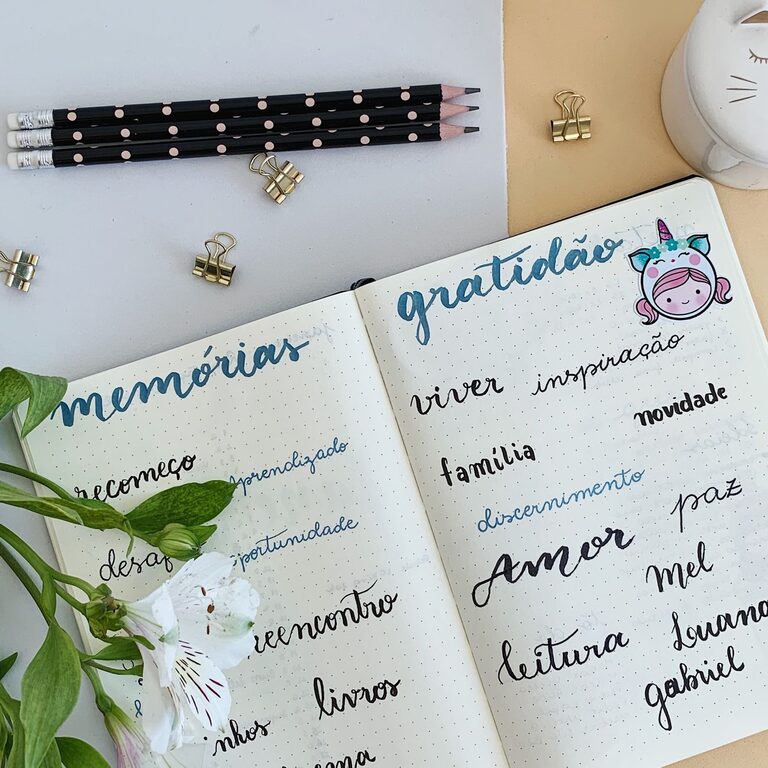
– Specialized gratitude journals: These often include prompts or structured layouts designed to guide you.
Pick a format you will enjoy returning to regularly.
How to Start Your Gratitude Journal
Step 1: Set a Regular Time
Decide when you will write in your journal. Many people find it helpful to do it first thing in the morning or right before bed. Consistency helps build the habit.
Step 2: Start Small
Begin by listing 3 to 5 things you are grateful for each day. These can be simple, such as a warm cup of coffee, a kind smile from a stranger, or a moment of quiet.
Step 3: Be Specific and Personal
Instead of writing general statements like “I’m grateful for my family,” try to focus on specific moments: “I’m grateful for the phone call from my sister today that made me laugh.”
Step 4: Reflect on Why
Spend a moment writing why you appreciate each item. This adds depth and helps internalize the positive feelings.
Step 5: Include Different Areas of Life
Try to cover a variety of life aspects—relationships, health, nature, personal achievements, or even challenges that taught you something valuable.
Step 6: Use Prompts When Stuck
If you find it hard to think of things to write, prompts can help. Examples include:
– What made me smile today?
– Who inspired me recently?
– What is something I often take for granted?
– What is a simple pleasure I enjoyed today?
Step 7: Review and Reflect
Every week or month, read back over your entries. This reflection reinforces gratitude and can boost your mood during difficult periods.
Tips for Maintaining Your Gratitude Journal Habit
– Keep your journal visible: Place it somewhere you’ll see it daily as a reminder.
– Set a timer: Even 5 minutes is enough for journaling.
– Don’t stress about perfection: Write freely; it’s about your feelings, not grammar or style.
– Combine with other positive habits: Try journaling alongside meditation or a relaxing walk.
– Share your gratitude: Telling someone about your gratitude can strengthen connections and positivity.
Common Challenges and How to Overcome Them
– Feel like you have nothing to be grateful for? Start small. Gratitude can be found in the tiniest details—a comfortable chair, a good meal, or a moment of peace.
– Forgetting to journal? Set alarms or reminders on your phone.
– Getting bored or repetitive? Change your prompts or try writing a gratitude letter to someone who made a difference in your life.
Final Thoughts
Starting a gratitude journal is a simple yet powerful way to invite more joy and contentment into your daily routine. By regularly acknowledging the things you appreciate, you can foster a positive mindset that supports your mental and emotional well-being. Remember, the best gratitude journal is one that feels natural and enjoyable to you, so personalize your practice and watch how it brightens your life.
About the Author