
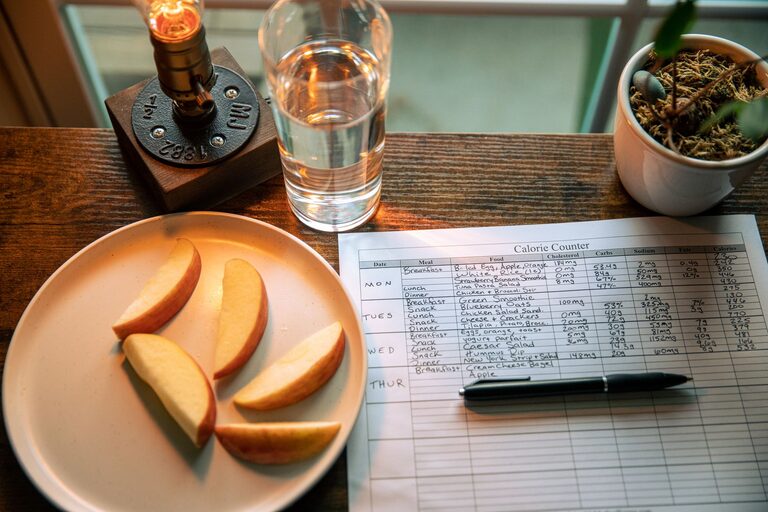
Planning balanced meals doesn’t have to be overwhelming or time-consuming. With a few straightforward strategies, you can create nutritious, satisfying meals that support your health without adding stress to your day. Whether you’re cooking for yourself, your family, or a group, these tips will help you streamline meal prep, avoid last-minute decisions, and make eating well a natural part of your routine.
What Is a Balanced Meal?
A balanced meal includes a variety of foods that provide essential nutrients your body needs for energy, repair, and overall well-being. Generally, a balanced plate consists of:
– Protein: Supports muscle health and keeps you full (examples: chicken, beans, tofu, fish)
– Vegetables and Fruits: Offer vitamins, minerals, and fiber to aid digestion and immunity
– Whole Grains: Provide energy and fiber (examples: brown rice, quinoa, whole wheat bread)
– Healthy Fats: Support brain function and cell health (examples: olive oil, nuts, avocado)
Including a mix of these components helps keep your meals nourishing and balanced.
Step 1: Set Realistic Goals for Your Meals
Start by thinking about your typical eating habits and lifestyle:
– How many meals and snacks do you usually have each day?
– How much time can you realistically spend cooking?
– Are there any dietary preferences or restrictions you need to consider?
By understanding your routine, you can plan meals that suit your day without feeling like a burden.
Step 2: Create a Simple Meal Plan
Having a meal plan reduces decision fatigue and helps ensure variety. Here’s how to get started:
– Choose a planning method: Use a notebook, a calendar app, or a meal planning app.
– Pick a planning window: Plan for a week ahead to balance flexibility and preparation time.
– Decide on meals: Think about breakfasts, lunches, dinners, and snacks.
– Incorporate leftovers: Plan meals that can be repurposed, like making a stir-fry from roasted vegetables.
Step 3: Stock Your Kitchen with Essentials
Keep your kitchen ready for meal prep by having staple ingredients on hand:
– Grains: brown rice, oats, whole-grain pasta
– Proteins: canned beans, lentils, eggs, frozen fish or chicken
– Vegetables and fruits: fresh, frozen, or canned (choose low-sodium if canned)
– Healthy fats: olive oil, nuts, seeds
– Herbs and spices: to add flavor without extra calories
Having these basics helps you build balanced meals quickly.
Step 4: Use Simple Recipes and Techniques
Don’t feel pressured to cook complicated dishes. Some easy strategies include:
– Sheet pan meals: Roast your protein and vegetables together.
– One-pot dishes: Soups, stews, and casseroles combine food groups in one cooking vessel.
– Batch cooking: Prepare larger portions and refrigerate or freeze extras.
– Mix and match: Assemble meals by combining pre-cooked grains, proteins, and vegetables.
These approaches save time and reduce cleanup.
Step 5: Practice Portion Control Without Stress
Understanding portion sizes can help balance your meals but don’t get caught up in exact measurements:
– Fill half your plate with vegetables.
– Reserve about one-quarter for protein.
– Use the remaining quarter for whole grains or starchy vegetables.
– Add a small amount of healthy fat, such as a drizzle of oil or a handful of nuts.
This simple visual guide helps you create balanced plates quickly.
Step 6: Listen to Your Body's Needs
Eating balanced meals isn’t about perfection—it’s about nourishing yourself mindfully:
– Pay attention to hunger and fullness cues.
– Enjoy your food without rushing.
– Make adjustments based on how you feel energized and satisfied.
This attitude helps you maintain a healthy relationship with food.
Tips to Reduce Stress Around Meal Planning
– Keep a running grocery list: Add items as you run out to avoid last-minute trips.
– Prep ahead: Chop vegetables or cook grains in advance.
– Use convenience items: Pre-washed greens, frozen veggies, or canned beans can save time.
– Stay flexible: Swap meals if your plans change. It’s okay to keep it simple.
When to Seek Inspiration
Sometimes new recipes or meal ideas can re-energize your planning. Explore:
– Recipe websites and blogs
– Cooking videos or tutorials
– Community cooking groups or social media pages
Keep your favorite go-to meals handy, but don’t hesitate to try something new occasionally.
Summary
Planning balanced meals without stress is achievable by focusing on simple goals, keeping your kitchen stocked, and using easy cooking techniques. Remember to be flexible, listen to your body, and enjoy the process. With these strategies, you’ll find meal planning becomes a helpful routine that supports your lifestyle and well-being. Happy cooking!
About the Author